
The process of Ficus
FICUS is a vegetable sheet that serves as a covering for any surface.
It is made from the recovery of plant material from tree pruning (leaves, branches, and peel), allowing for the recycling of materials.
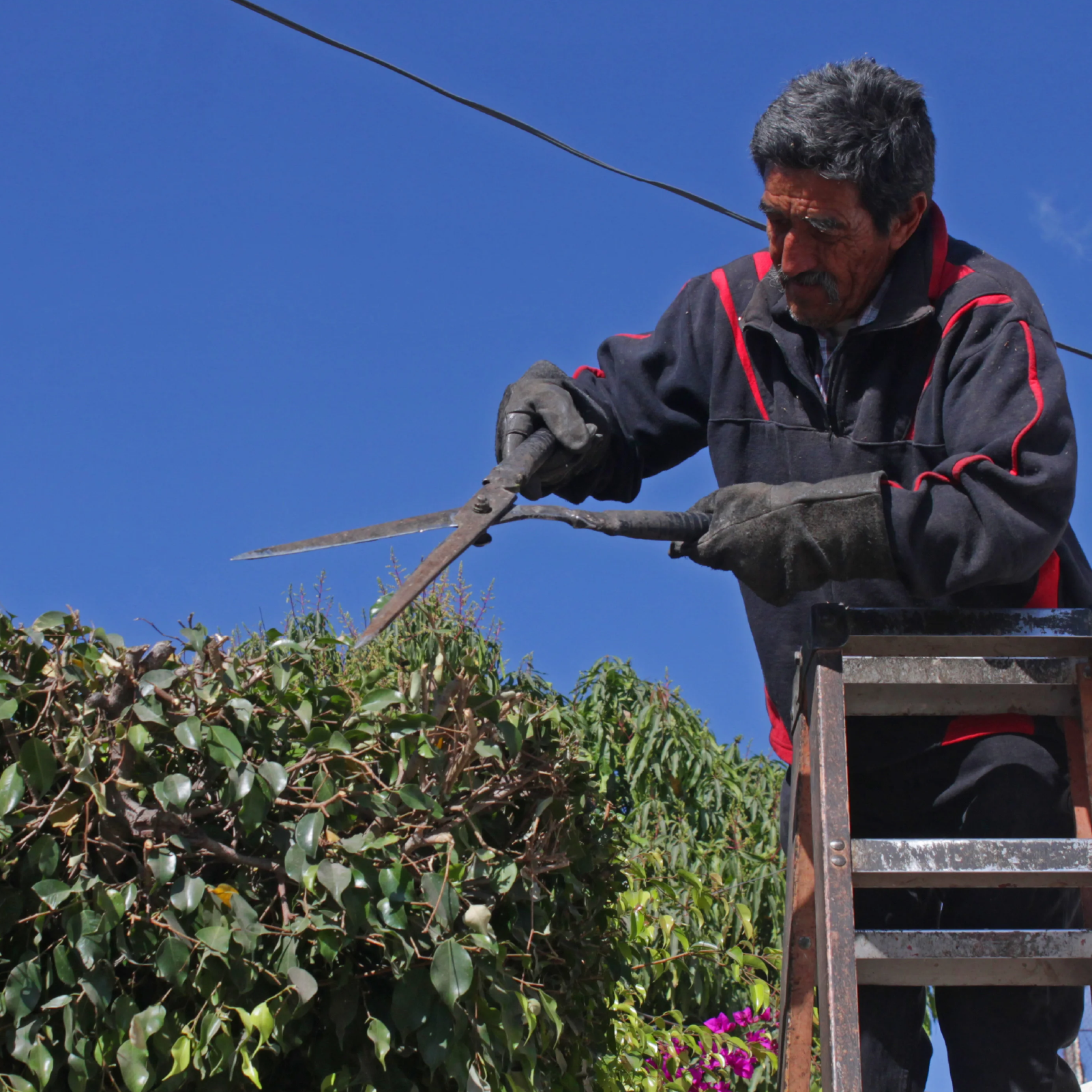
1
Pruning
The material is collected.
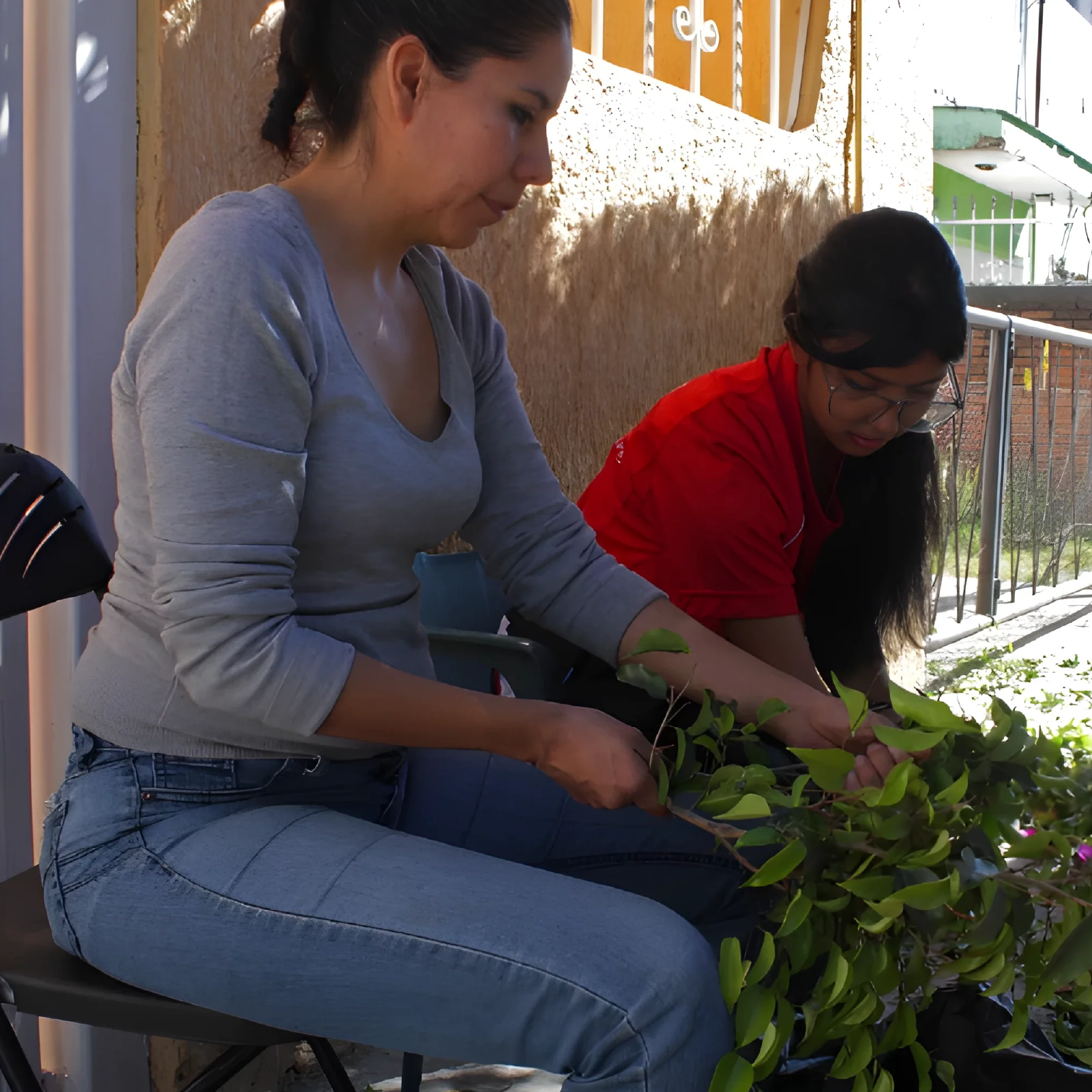
2
Defoliate
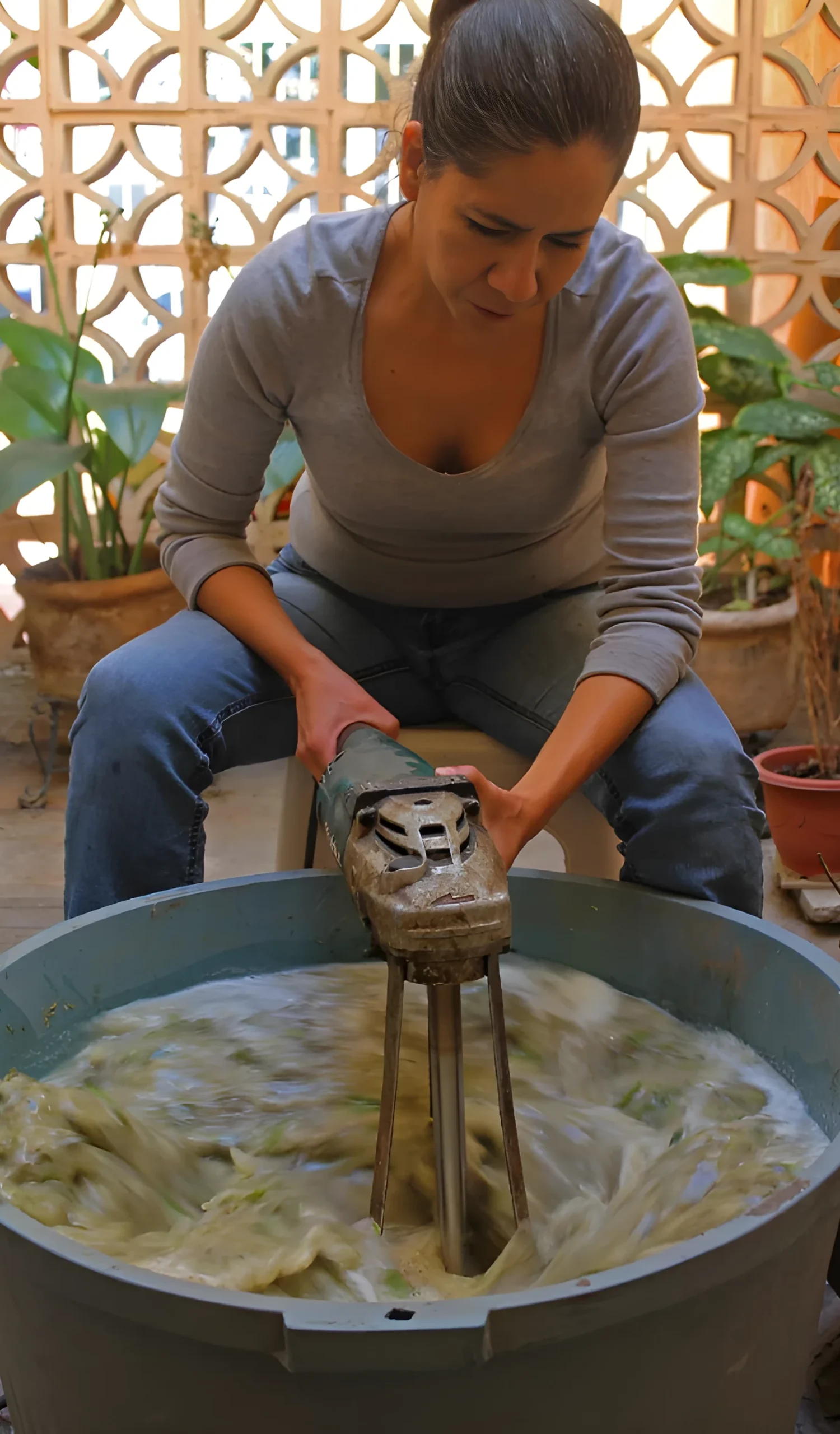
3
Grind
The plant material until it is very fine.
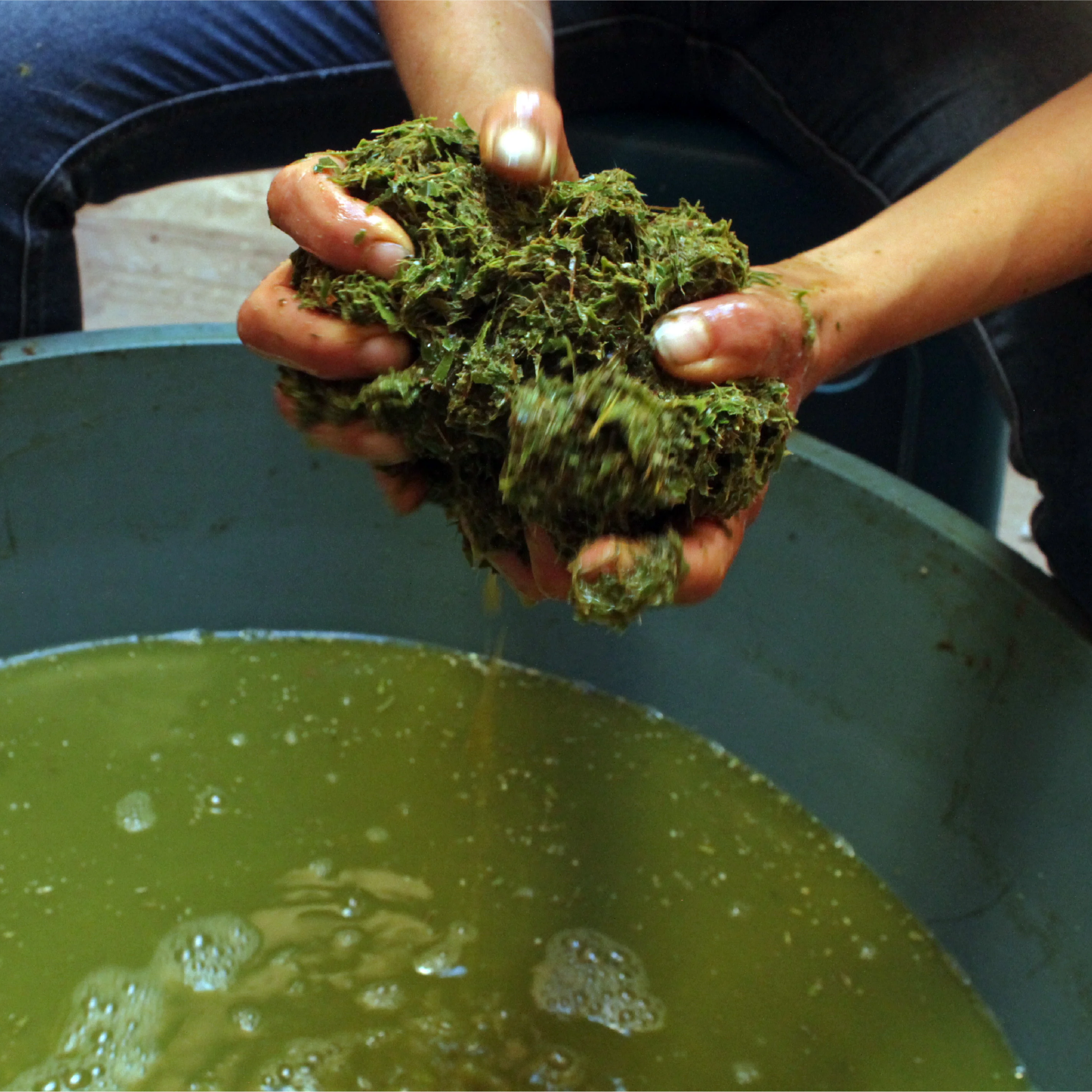
4
Strain material
Extract the moisture from the material and place it in a container to add the natural binders, until a homogeneous mixture is obtained.
5
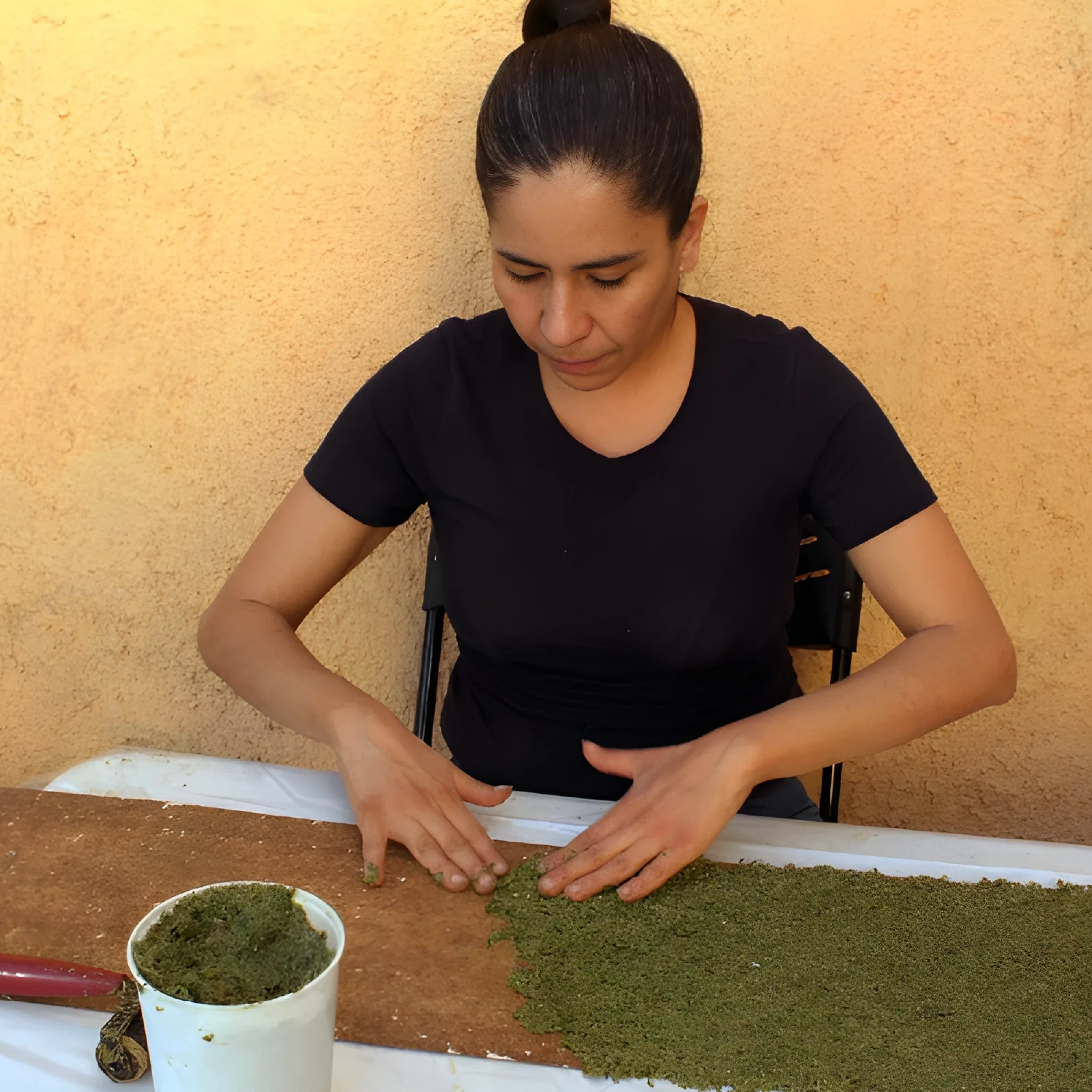
Pat
The mixture is distributed on the sheet manually. This process is done dry to obtain greater uniformity.
6
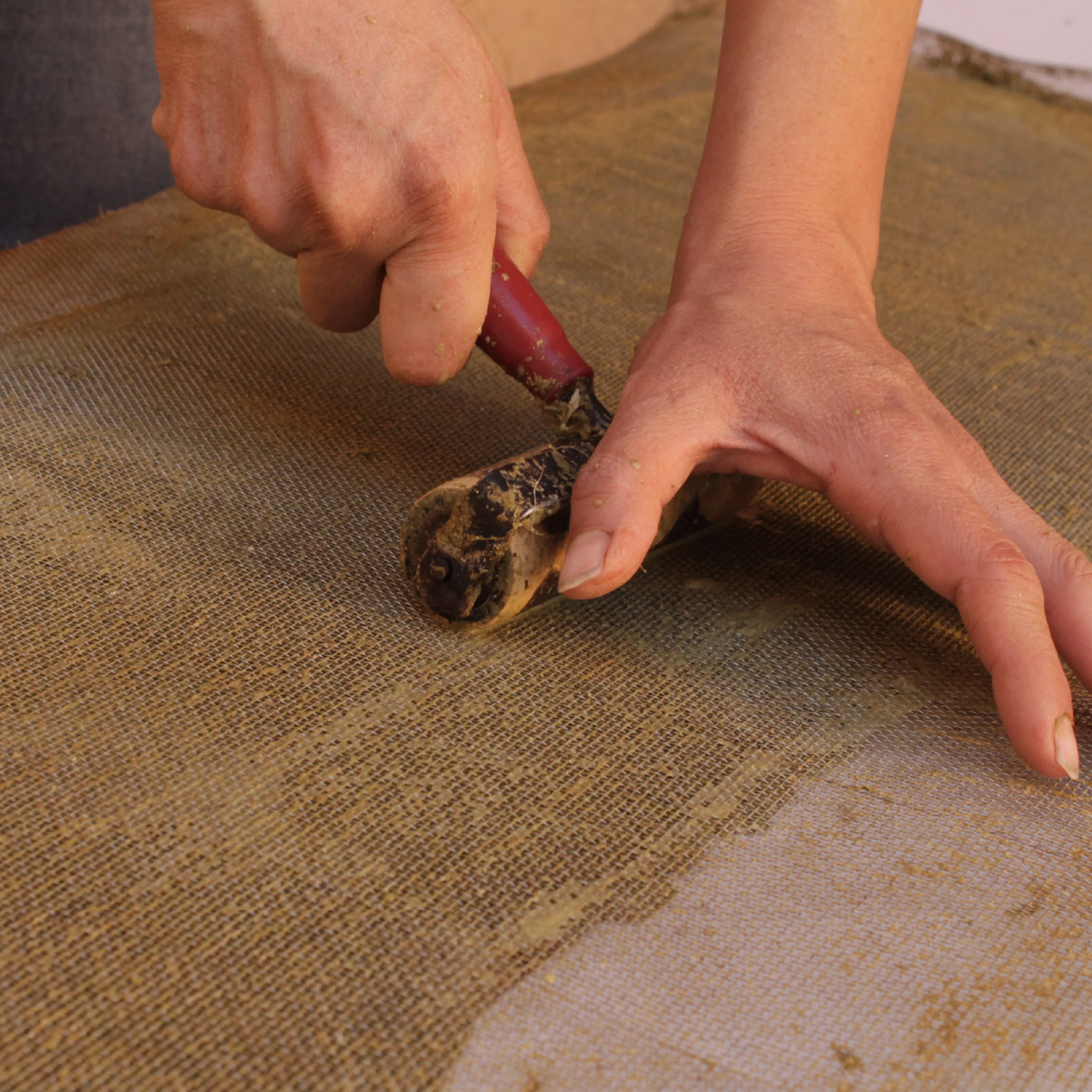
Flatten
It consists of taking a rubber roller and with the help of a metal mesh, the material is flattened, in order to have a compacted sheet.
7
Dry
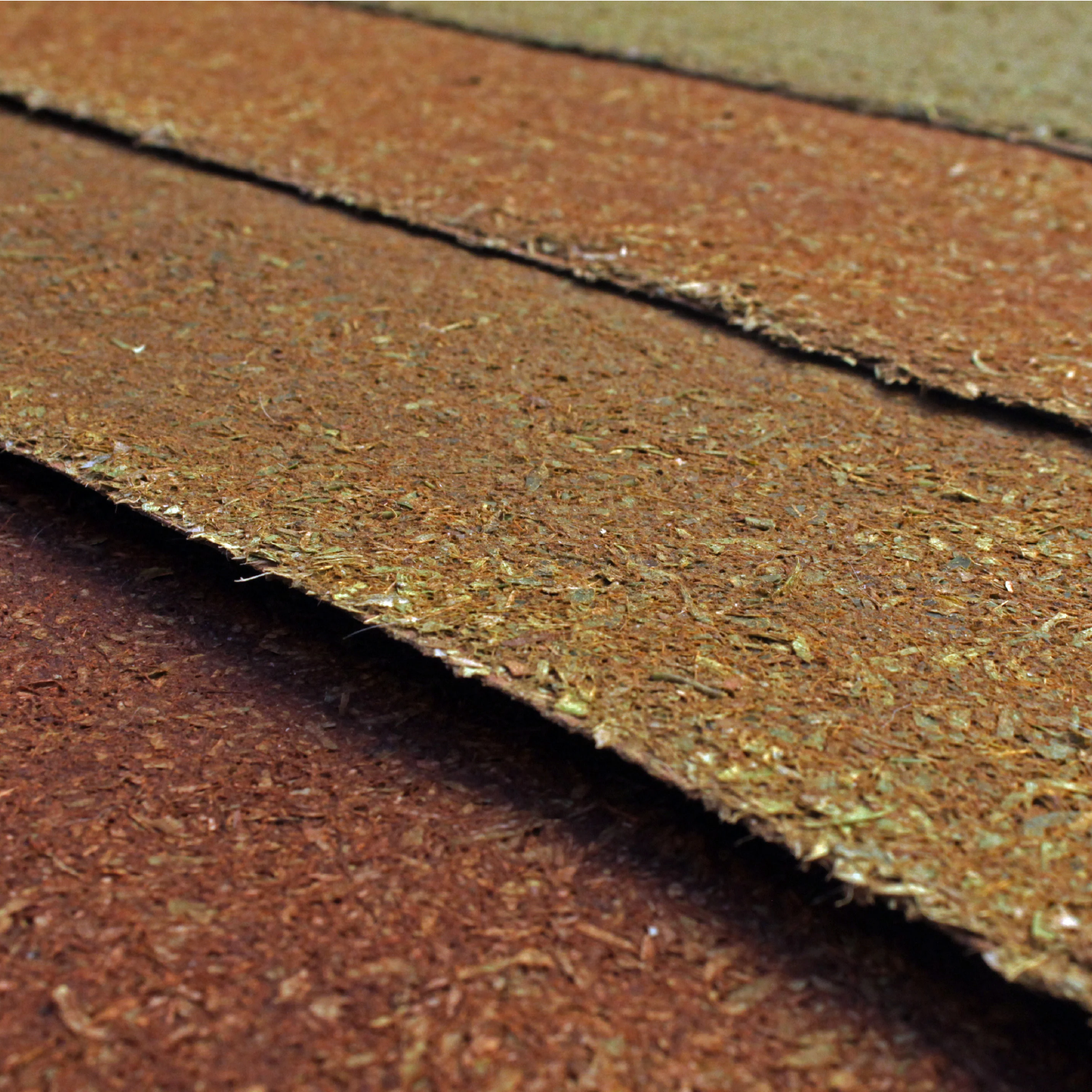
We take advantage of solar energy to dry the sheets, it lasts between 1 to 3 days and depends on the weather. Thus, we reduce electrical energy consumption.
Once dry, the sheets are ready for use in Ecological Design.
The entire process is artisanal and only 10% of electrical energy is used.
In total, the process of making sheets takes 3 to 4 days. Once the sheets are dry, they are ready to use.
The particular qualities of the material are:
Thermal
Sound Insulation
Waterproof
Reduces environmental impact
In handling, you can cut it, laser-cut, apply screen printing, or sublimate
Thermal
Sound Insulation
Waterproof
In handling, you can cut it, laser-cut, apply screen printing, or sublimate
The FICUS sheet
is part of the Material Libraries at MIND (Guadalajara, Jalisco) and MATERFAD (Barcelona); where they house innovative materials to promote initiatives that contribute to the creation of environmentally friendly designs.
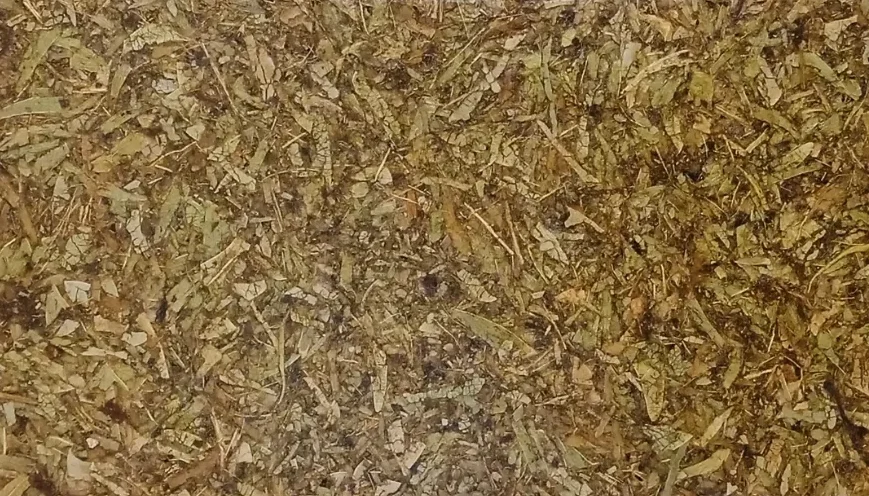
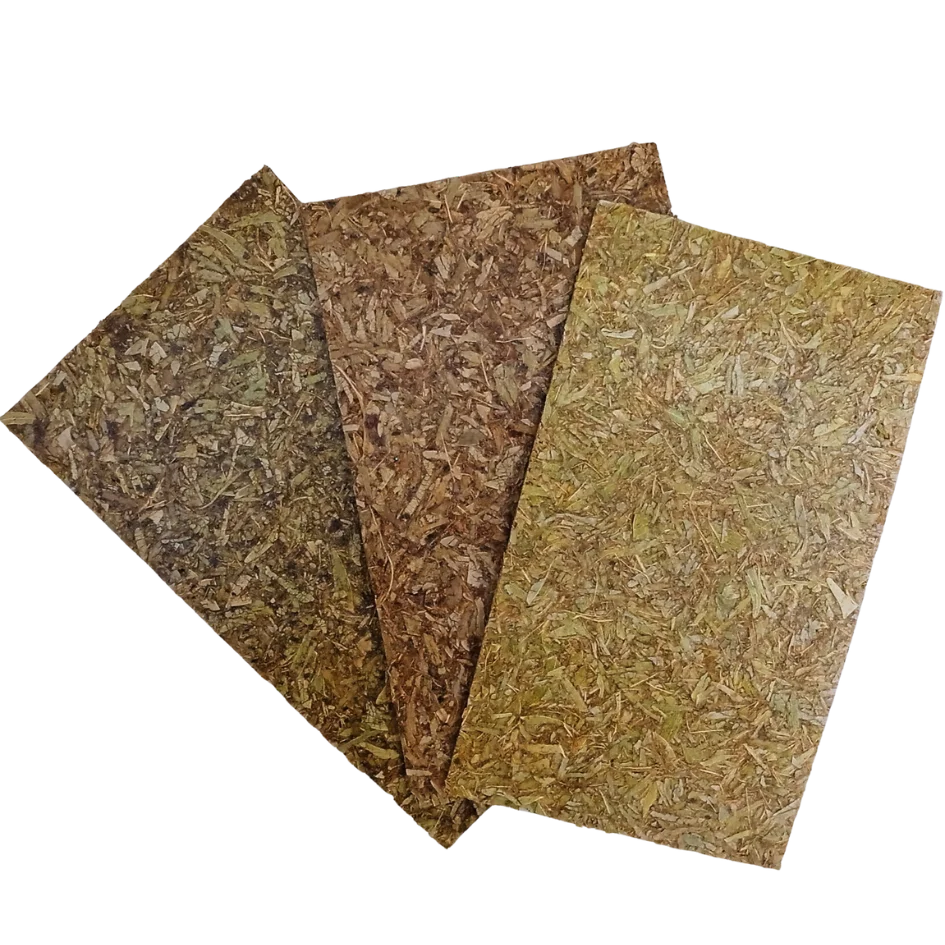
The natural binders in the FICUS sheet work as a protective layer against water. The protection time ranges from one hour.
In case of exposure to water, drying in partial shade is recommended.
Do not handle the FICUS sheet when it is excessively humid, just leave it in a partially shaded place.